Suspension Diagnosis
We are able to diagnose suspension issues prior to service ensuring your concerns are addressed
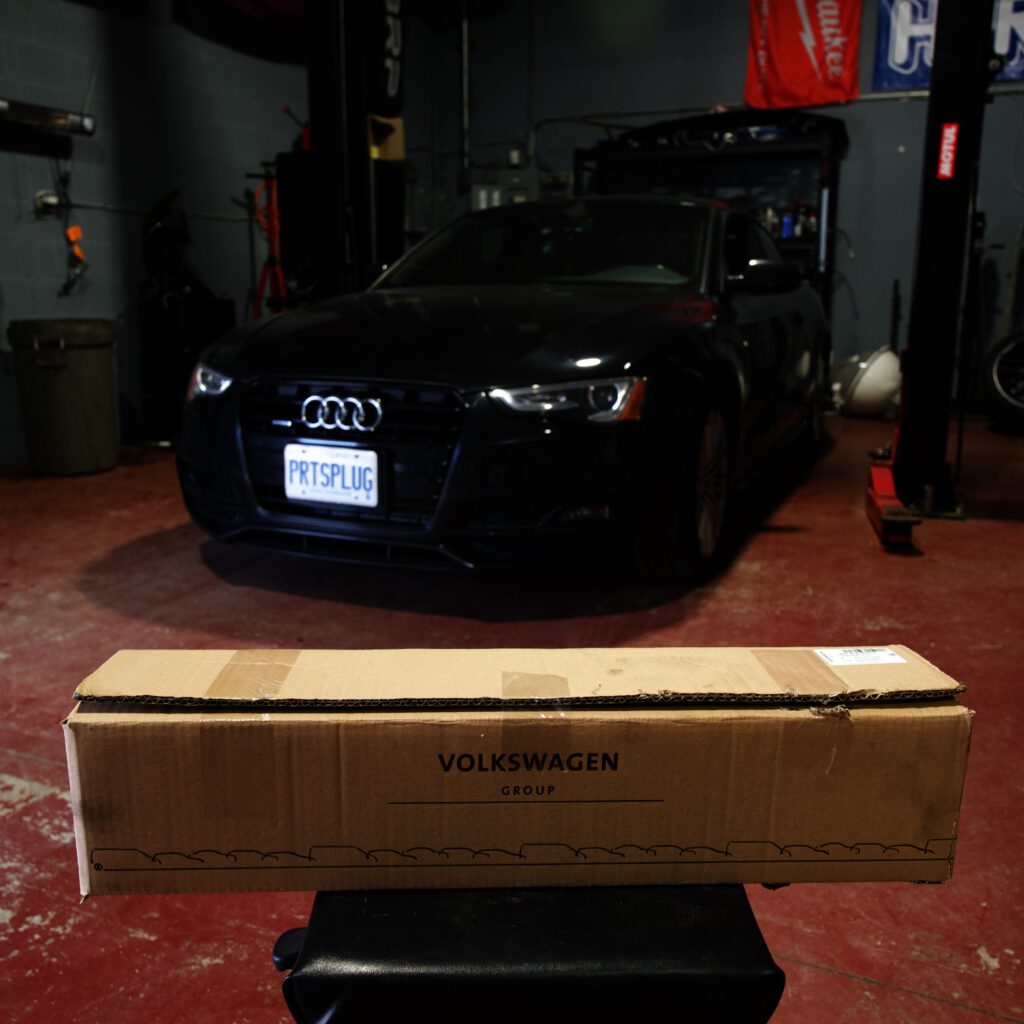
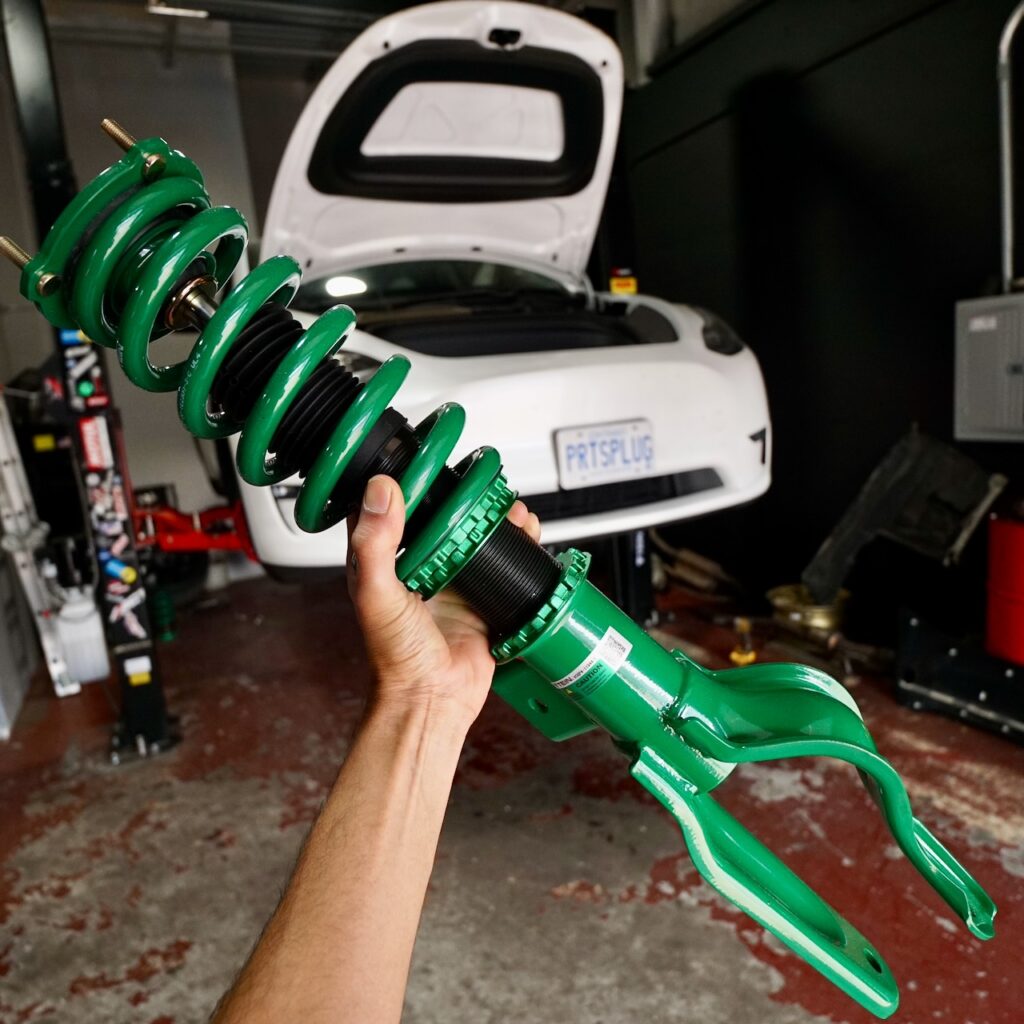
Suspension Repairs
Not only do we diagnose all suspension issues but we can complete all suspension repairs in house
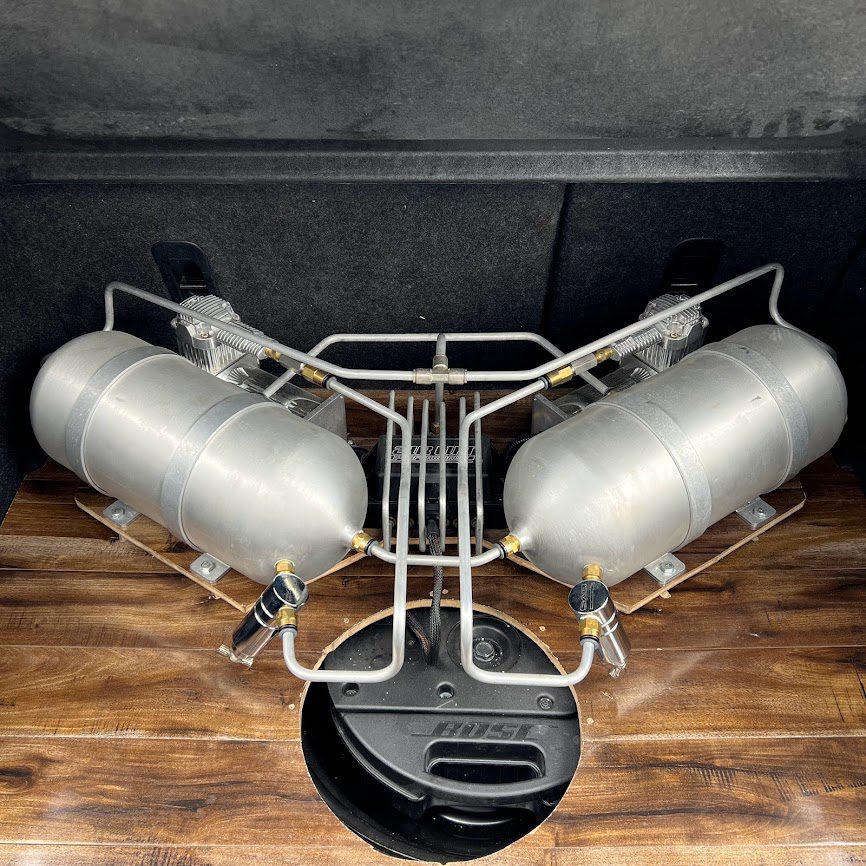
Adaptive & Air Suspension Expertise
We have tons of expertise with not only adaptive but also air ride or height adjustable suspension from all OEMs
See what our customers have to say!


European Suspension Repair
A properly functioning suspension does more than provide a comfortable ride. It helps your vehicle remain stable under braking, responsive through corners and predictable over changing road surfaces.
When suspension components begin to wear, you may notice clunking, vibration, excessive movement or a gradual decline in handling. Parts Plug provides professional suspension inspection, diagnosis and repair for European, performance and everyday vehicles.
Our experience with European suspension systems allows us to evaluate the vehicle as a complete system and recommend repairs suited to its engineering, weight and performance characteristics.
European Suspension Expertise
European vehicles are engineered to deliver a careful balance of comfort, control and performance. To achieve this, manufacturers often use sophisticated suspension designs with tighter tolerances and more interconnected components.
Parts Plug has experience servicing European brands such as:
Audi
BMW
Mercedes-Benz
Volkswagen
Porsche
MINI
Land Rover
Jaguar
Volvo
Alfa Romeo
Fiat
Many of these vehicles use multi-link suspension systems, aluminum control arms, performance-oriented dampers, larger wheels and low-profile tires. Some models may also feature adaptive, electronically controlled or air-assisted suspension technology.
Understanding how these systems work together is important. A noise or handling concern may not be caused by one obvious component, so the entire suspension must be inspected carefully before repairs are recommended.
Signs Your Suspension May Need Attention
Suspension components often wear gradually. Drivers may become accustomed to the change in ride quality before realizing that something requires attention.
Common warning signs include:
Clunking or knocking over bumps
Squeaking or creaking while driving
Excessive bouncing after hitting a bump
A loose, unstable or floating sensation
Increased body movement through corners
The front of the vehicle dipping during braking
Uneven or accelerated tire wear
Vibration through the steering wheel or cabin
One corner of the vehicle sitting lower than the others
Reduced steering response
Rubbing or clearance concerns
Fluid leaking from a shock or strut
Unusual noises when turning or entering driveways
Some of these symptoms can also be caused by tires, wheels, steering components or other mechanical concerns. A proper inspection helps identify the actual source of the problem before parts are replaced.
Suspension Components We Inspect and Repair
Your suspension is made up of several components working together to support the vehicle, absorb road impacts and keep the tires in consistent contact with the road.
Depending on the vehicle and the symptoms, suspension service may involve:
Shocks and struts
Coil springs
Strut mounts and bearings
Control arms
Control-arm bushings
Ball joints
Sway bars
Sway-bar links and bushings
Trailing arms
Lateral links
Suspension mounts
Wheel bearings and hubs
Bump stops and protective boots
Related steering and suspension hardware
We inspect the system as a whole so the recommended repair addresses the cause of the concern—not simply the most noticeable symptom.
Shocks and Struts
Shocks and struts control suspension movement and help maintain consistent tire contact with the road. As they wear, the vehicle may bounce excessively, feel unsettled or move more than expected during braking and cornering.
European vehicles often use dampers calibrated specifically for the vehicle’s weight, suspension design and performance level. Choosing suitable replacement components helps preserve the ride quality and handling characteristics intended for the vehicle.
Control Arms, Bushings and Ball Joints
Many European vehicles use multi-link suspension designs containing several control arms, joints and bushings at each corner.
Bushings help absorb vibration while allowing controlled movement. Control arms and ball joints help position the wheel as the suspension travels. When these components wear, they can cause clunking, looseness, vibration and inconsistent handling.
Because multiple components are positioned close together, careful inspection is essential when tracking down suspension noise.
Springs and Ride Height
Coil springs support the vehicle’s weight and help maintain its intended ride height. A weakened, damaged or broken spring can cause noise, uneven ride height or changes in the way the vehicle responds to bumps.
Selecting the correct spring is especially important for European sedans, SUVs, performance models and electric vehicles. The replacement must be appropriate for the vehicle’s weight, configuration and installed equipment.
Wheel Bearings and Hubs
A worn wheel bearing can create humming, grinding or growling noises that change with vehicle speed. These sounds are sometimes mistaken for tire noise or another suspension problem.
When a wheel bearing or hub is suspected, we inspect the assembly and surrounding components to help identify the source accurately.
Why European Suspension Systems Require Specialized Attention
European manufacturers frequently design suspension systems around precise steering, controlled body movement and confident high-speed stability. Preserving those qualities requires careful diagnosis and suitable replacement components.
Important considerations include:
Vehicle Weight
Luxury sedans, SUVs and electric vehicles can place considerable loads on suspension components. Replacement parts must be suitable for the vehicle’s weight and configuration.
Multi-Link Suspension Designs
Multi-link systems use several arms and joints to control wheel movement. These designs can deliver excellent comfort and handling, but they also introduce additional wear points that must be inspected carefully.
Larger Wheels and Low-Profile Tires
Larger wheels and low-profile tires can transfer more road impact into the suspension. They may also make worn bushings, looseness and vibration more noticeable.
Aluminum Components
Many European vehicles use aluminum control arms and other lightweight suspension components. These parts require correct handling and application-specific replacements.
Adaptive and Performance Suspension
Performance models may use unique springs, dampers or electronically controlled suspension systems. The vehicle’s original equipment and suspension configuration should be identified before repairs are recommended.
Modified Ride Height
Lowering springs, coilovers and aftermarket wheel setups can change suspension travel and component clearance. Modified vehicles should be evaluated as a complete setup rather than treated like a factory-standard vehicle.
Our Suspension Inspection Process
A proper diagnosis begins with understanding what the driver has noticed and when the problem occurs.
Our inspection may include:
Reviewing the reported noise or handling concern
Inspecting shocks, struts, springs and mounts
Checking control arms, bushings and ball joints
Inspecting sway-bar links and related hardware
Checking wheel bearings and hubs
Looking for looseness, damage or fluid leaks
Reviewing tire condition and wheel clearance
Considering relevant vehicle modifications
Confirming which components require attention
Once the inspection is complete, we explain what we found and provide repair recommendations based on the vehicle’s condition.
OEM and Quality Replacement Components
Suspension components directly affect ride quality, stability and vehicle control. We can source genuine manufacturer components when requested, along with trusted OEM and quality aftermarket options where appropriate.
The right choice depends on the vehicle, its suspension system, how it is driven and the owner’s preferred balance of comfort, performance and budget.
Suspension Service for Modified Vehicles
Parts Plug also has experience with lowered and performance-oriented vehicles.
Modified suspension setups may require additional consideration of:
Reduced suspension travel
Wheel and tire clearance
Spring and damper compatibility
Sway-bar and control-arm clearance
Aftermarket mounts and hardware
Changes in ride comfort
Street or performance use
If your vehicle has lowering springs, coilovers, aftermarket wheels or other suspension modifications, let us know when booking so we can assess the complete setup.
Why Choose Parts Plug?
Parts Plug combines automotive repair experience with a strong understanding of European and performance vehicles.
Customers choose us for:
Experience with European suspension systems
Thorough suspension inspections
Familiarity with multi-link designs
Knowledge of heavier and higher-performance vehicles
Experience with lowered and modified applications
OEM and quality replacement component options
Clear explanations and honest recommendations
Professional workmanship
Convenient appointment booking
Frequently Asked Questions
What causes clunking over bumps?
Clunking can be caused by worn sway-bar links, control-arm bushings, ball joints, strut mounts, shocks or loose suspension hardware. An inspection is needed to identify the exact source.
How do I know if my shocks or struts are worn?
Common signs include excessive bouncing, fluid leakage, increased body movement, reduced stability and the front of the vehicle dipping during braking. Other components can create similar symptoms, so the complete suspension should be inspected.
Can you repair suspension systems on European vehicles?
Yes. We have experience inspecting and repairing suspension systems on Audi, BMW, Mercedes-Benz, Volkswagen, Porsche, MINI and other European vehicles.
Can worn suspension components damage my tires?
Yes. Loose or damaged suspension components can affect how the tire contacts the road and may contribute to irregular or accelerated tire wear.
Should shocks and struts be replaced in pairs?
Shocks and struts are commonly replaced in axle pairs to maintain consistent performance from side to side. The appropriate recommendation depends on the component, vehicle and overall condition of the suspension.
Can you inspect a modified or lowered vehicle?
Yes. We can inspect vehicles equipped with lowering springs, coilovers, aftermarket wheels and other relevant modifications. Please provide details about the setup when booking.
Do you work with adaptive or electronically controlled suspension?
European vehicles use several different suspension technologies. Contact us with the vehicle’s year, make, model, trim and symptoms so we can confirm the appropriate inspection and repair options.
What information should I provide when booking?
Provide the vehicle’s year, make, model and trim, along with a description of the noise or handling concern. Mention when the issue occurs and whether the vehicle has any suspension, brake, wheel or tire modifications.
Request a Suspension Inspection
If your vehicle is making suspension noise, riding poorly or no longer handling as expected, Parts Plug can inspect the system and identify the components requiring attention.
Tell us what you drive and describe the symptoms you have noticed. Our team will arrange an inspection and provide clear repair recommendations.