Electrical Diagnosis
We have experience testing all electrical systems along the CAN bus protocol allowing us to reliably and accurately find faults causing electrical issues
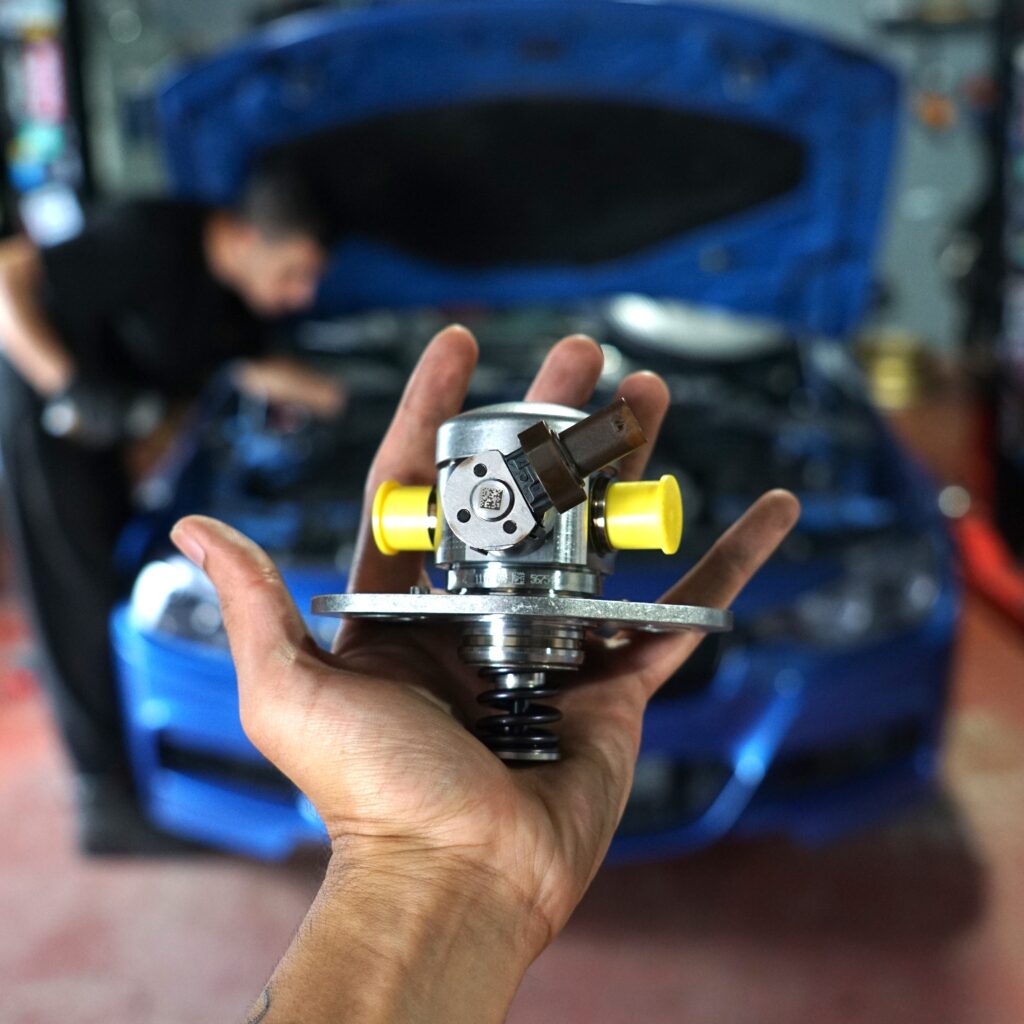
Mechanical Diagnosis
We are also able to perform all mechanical diagnostics when the issue is not an electrical fault. We can test all chassis systems from coolant leaks to door lock issues
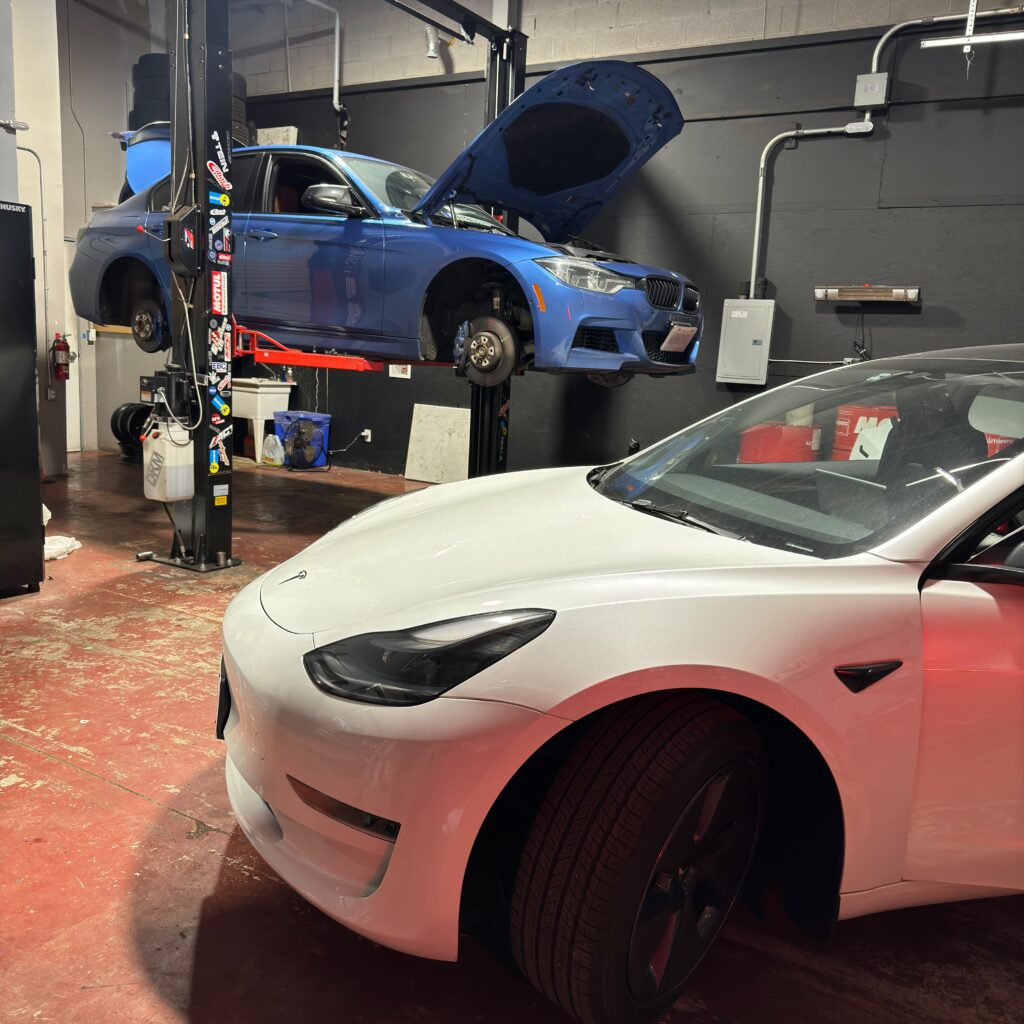
Electric Vehicles
We have the ability to perform limited diagnostics on electrical/hybrid vehicles when it comes to mechanical or non powertrain related issues
See what our customers have to say!
Professional Vehicle Diagnostics
Modern vehicles are complex machines that rely on mechanical components, sensors, computers and electrical systems working together. When something goes wrong, replacing the first part connected to a fault code may not solve the actual problem.
Parts Plug provides professional diagnostic services for European, performance and everyday vehicles. We investigate warning lights, electrical faults, mechanical problems, cooling-system concerns, unusual noises and changes in vehicle performance.
Our objective is to identify the source of the problem, explain what we find and recommend the appropriate next step.
[Request a Diagnostic Appointment]
European Vehicle Diagnostic Expertise
European vehicles often use sophisticated electronics, interconnected control modules and manufacturer-specific systems. A single fault may create several warning lights or trouble codes, even when only one underlying problem is responsible.
Parts Plug has experience diagnosing vehicles from manufacturers such as:
Audi
BMW
Mercedes-Benz
Volkswagen
Porsche
MINI
Land Rover
Jaguar
Volvo
Alfa Romeo
Fiat
Our experience with European and performance vehicles helps us interpret symptoms, scan information and test results within the context of the complete vehicle.
More Than Reading Trouble Codes
A diagnostic scan is an important starting point, but a trouble code does not always identify the part that needs to be replaced.
A code may indicate that a system is operating outside its expected range. The actual cause could be a damaged wire, poor electrical connection, vacuum leak, mechanical problem, failed sensor or an issue elsewhere in the system.
Effective diagnosis may involve:
Discussing the symptoms with the driver
Performing a visual inspection
Scanning the vehicle’s control modules
Reviewing trouble codes and live data
Testing electrical circuits
Inspecting mechanical components
Checking fluids, leaks and operating conditions
Confirming the fault before recommending repairs
This method helps reduce unnecessary parts replacement and provides a clearer understanding of the problem.
Check Engine Light Diagnosis
The check engine light can be triggered by a wide range of problems. Some are relatively minor, while others can affect fuel economy, emissions, engine performance or long-term reliability.
Common causes can include:
Engine misfires
Ignition-coil or spark-plug problems
Air and vacuum leaks
Fuel-delivery concerns
Oxygen-sensor faults
Airflow and pressure-sensor problems
Emissions-system faults
Turbocharger or boost-control concerns
Cooling-system problems
Timing-related faults
Wiring and electrical issues
We retrieve the stored fault information, review relevant operating data and perform additional testing as required to identify the source of the warning.
A flashing check engine light may indicate an active misfire capable of causing further damage. If the light is flashing or the vehicle is running poorly, avoid unnecessary driving and contact us for guidance.
Electrical Diagnosis
Electrical problems can produce intermittent, confusing or seemingly unrelated symptoms. Modern European vehicles contain numerous control modules, sensors, communication networks and electrically operated components.
We diagnose electrical concerns involving:
Batteries and charging systems
Alternators
Starters and starting circuits
Parasitic battery drains
Blown fuses
Wiring and electrical connections
Exterior and interior lighting
Power accessories
Sensors and switches
Warning lights
Intermittent electrical faults
No-start and slow-cranking concerns
Control-module communication faults
Electrical diagnosis may involve circuit testing, voltage and ground checks, wiring inspection and analysis of scan data. The testing required depends on the symptoms and the system involved.
Mechanical Diagnosis
Not every vehicle problem will trigger a warning light. Mechanical wear, leaks and damaged components can cause noises, vibration, reduced performance or changes in how the vehicle drives.
Mechanical diagnostic services can help investigate:
Knocking, tapping or rattling noises
Squeaking, grinding or clunking
Engine vibration
Rough running or poor idle
Loss of power
Fluid leaks
Unusual smells
Steering or suspension noise
Drivetrain vibration
Abnormal movement during acceleration or braking
Changes in ride quality
Recurring mechanical problems
We consider when the symptom occurs, where it appears to originate and how vehicle speed, engine speed, temperature or load affects it.
Cooling-System Diagnosis
The cooling system regulates engine temperature and protects the engine from overheating. European vehicles may use multiple cooling circuits, electronically controlled water pumps, thermostats, sensors and other specialized components.
Cooling-system concerns can include:
Engine overheating
Low coolant warnings
Coolant leaks
Unexplained coolant loss
Temperature fluctuations
Cooling fans running excessively
Poor cabin heat
Sweet or unusual smells
Visible coolant beneath the vehicle
Water-pump concerns
Radiator or thermostat problems
Damaged hoses or expansion tanks
Because coolant leaks may only appear under certain temperatures or pressures, diagnosis can require more than a basic visual inspection.
Continuing to drive an overheating vehicle can cause serious engine damage. If the temperature warning appears or the engine is overheating, stop the vehicle safely and contact us before continuing to drive.
Engine Performance Diagnosis
Changes in engine performance may be caused by mechanical, electrical, ignition, fuel, air-intake or control-system problems.
We can investigate concerns such as:
Rough idle
Engine misfires
Hesitation
Reduced power
Poor throttle response
Stalling
Hard starting
Increased fuel consumption
Turbocharger performance concerns
Boost leaks
Unusual engine noises
Smoke from the exhaust
Recurring warning lights
Performance concerns should be diagnosed systematically because several different faults can create similar symptoms.
Starting and Charging-System Diagnosis
A vehicle that does not start is not always suffering from a failed battery. The problem may involve the battery, alternator, starter, wiring, ground connections or another electrical component.
Testing can help determine whether the concern involves:
Battery condition
Battery state of charge
Alternator output
Starter operation
Excessive electrical draw
Damaged cables or terminals
Faulty power or ground connections
Control-system or communication faults
Some European vehicles also require battery registration or programming after replacement. Requirements depend on the vehicle and its energy-management system.
Warning-Light Diagnosis
In addition to the check engine light, modern vehicles can display warnings related to several systems.
We can investigate warning messages and indicators involving:
Battery and charging systems
Coolant level or temperature
Electronic throttle control
Engine performance
Suspension systems
Steering systems
Lighting systems
Tire-pressure monitoring
Drivetrain faults
General service or malfunction messages
The illuminated symbol is only the starting point. Further testing may be required to determine why the warning was triggered.
Intermittent Problems
Some vehicle problems only occur under specific conditions. The issue may depend on temperature, road conditions, vehicle speed, engine load or how long the vehicle has been operating.
When booking an intermittent concern, helpful details include:
Whether the engine was hot or cold
Vehicle and engine speed
Weather conditions
Whether the concern occurs during acceleration, braking or turning
Which warning lights appeared
How long the symptom lasted
Whether restarting the vehicle changed anything
Any recent repairs or modifications
Photos or videos of the warning message, noise or vehicle behaviour may also help us understand an intermittent concern.
Diagnostics for Modified Vehicles
Parts Plug also has experience with performance-oriented and modified vehicles.
Aftermarket components and software can change how a vehicle operates and how diagnostic information should be interpreted. Please tell us if the vehicle has modifications such as:
Engine or transmission software
Intake or exhaust upgrades
Turbocharger modifications
Lowering springs or coilovers
Aftermarket wheels and tires
Upgraded fueling components
Modified electrical equipment
Previous emissions-system changes
Knowing the vehicle’s complete configuration helps us approach the diagnosis accurately.
Our Diagnostic Process
1. Understand the Concern
We begin by discussing what you have noticed, when it occurs and whether any recent repairs or changes may be relevant.
2. Perform an Initial Inspection
We inspect the appropriate systems for visible damage, leaks, loose connections and other signs related to the concern.
3. Scan and Test
When applicable, we scan the vehicle’s control modules, review stored faults and operating data, and perform targeted electrical or mechanical testing.
4. Identify the Cause
We use the available evidence to narrow down the source of the problem. Complex or intermittent faults may require additional testing.
5. Explain the Findings
Once the issue has been identified, we explain what we found and provide repair recommendations based on the vehicle’s condition.
Why Choose Parts Plug?
Accurate diagnosis requires more than a code reader. It requires technical knowledge, appropriate equipment and an understanding of how the vehicle’s systems interact.
Customers choose Parts Plug for:
Experience with European vehicle systems
Electrical and mechanical fault diagnosis
Check-engine-light testing
Cooling-system diagnosis
Advanced diagnostic equipment
Familiarity with performance and modified vehicles
Clear explanations and repair recommendations
OEM and quality replacement-part options
Professional workmanship
Convenient appointment booking
Frequently Asked Questions
Does a trouble code tell you which part to replace?
Not necessarily. A trouble code identifies a system or operating condition that requires investigation. Additional testing may be needed to determine whether the cause is a component, wiring fault, leak or mechanical problem.
Can you diagnose a vehicle without a warning light?
Yes. Mechanical noises, vibration, leaks and intermittent performance concerns may not trigger a warning light. We can inspect and test the systems related to the reported symptoms.
Can you diagnose European vehicles?
Yes. We have experience with Audi, BMW, Mercedes-Benz, Volkswagen, Porsche, MINI and other European manufacturers.
How long does a vehicle diagnosis take?
The time required depends on the symptoms and complexity of the problem. Some concerns can be identified relatively quickly, while intermittent or multi-system faults may require additional testing.
Is the diagnostic fee included in the repair?
Diagnostic testing and repair are separate types of work. Contact us for details about the diagnostic process and applicable charges for your vehicle.
Can you diagnose an intermittent electrical problem?
Yes, although intermittent faults can take longer to isolate because the problem may not be present during the initial inspection. Providing detailed information about when it occurs can help with the process.
What should I do if my vehicle is overheating?
Stop driving as soon as it is safe. Continuing to operate an overheating engine may cause serious damage. Contact us before attempting to drive the vehicle further.
What information should I provide when booking?
Provide the vehicle’s year, make, model and trim, along with a detailed description of the symptoms. Mention any warning lights, recent repairs or modifications and explain when the concern occurs.
Request a Diagnostic Appointment
If your vehicle has a warning light, electrical problem, mechanical noise, cooling-system concern or unexplained performance issue, Parts Plug can help identify the cause.
Tell us what you drive and describe the symptoms you have noticed. Our team will arrange an appropriate diagnostic appointment and explain the next steps.