BMW Intake Carbon Cleaning
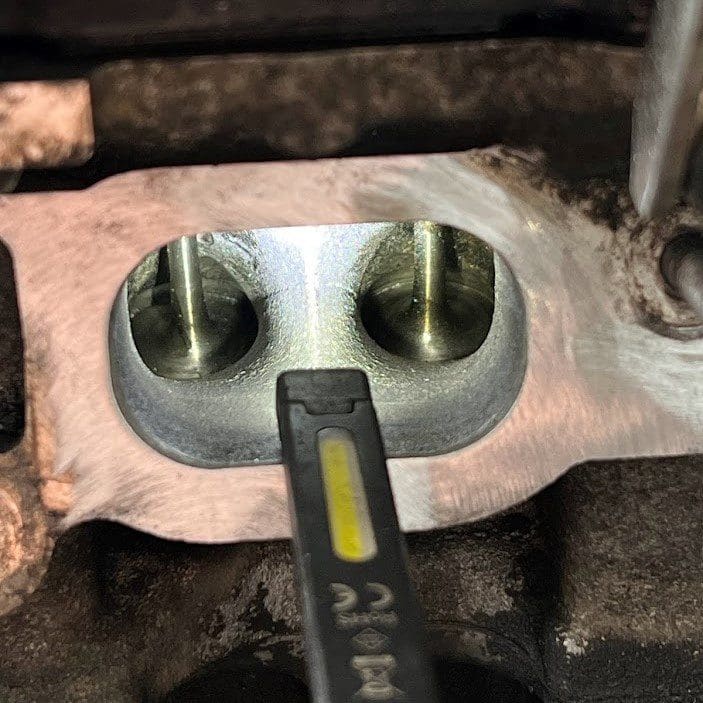
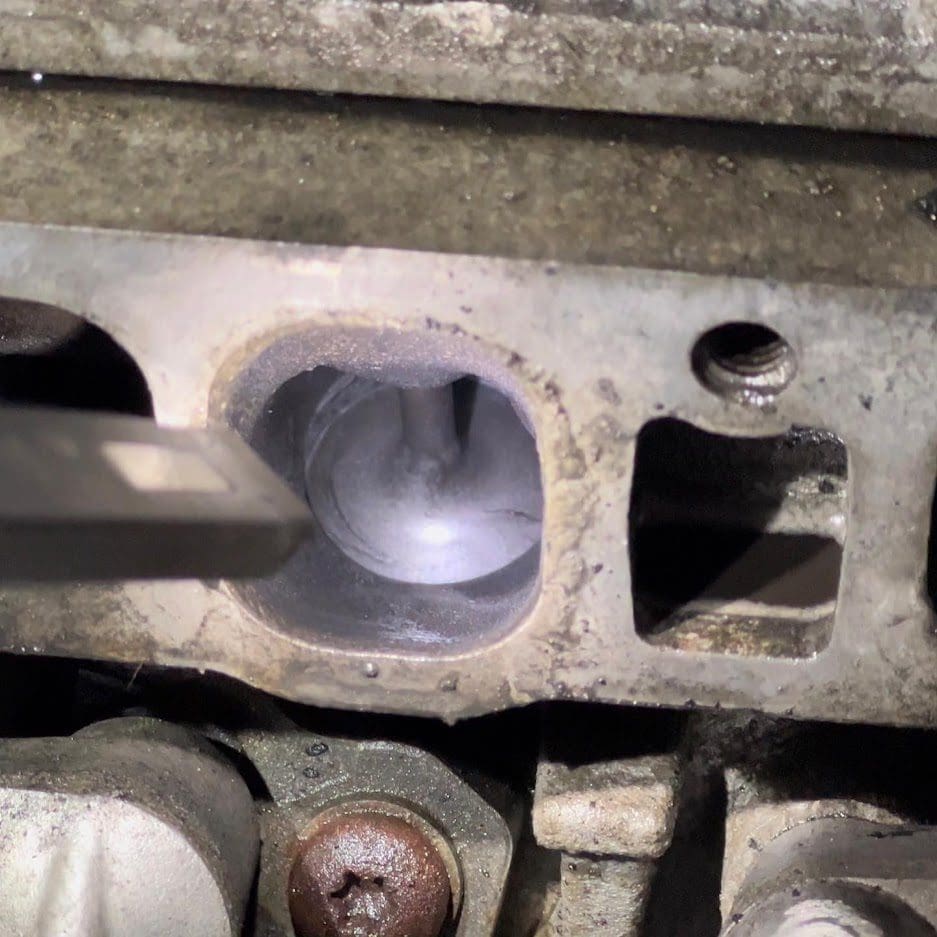
We’ve been performing intake carbon cleaning aka walnut blasting on every type of direct injected gasoline engine including both naturally aspirated and with forced induction
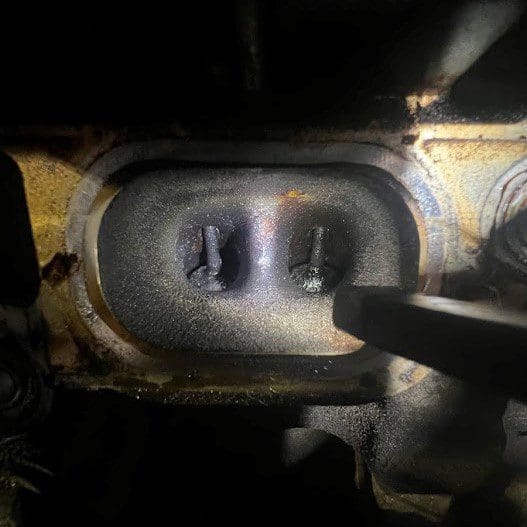
We have pioneered new methods to perform valve cleanings with better results than dealer level cleanings. We specialize in turbo applications and have extensive experience on BMW, Audi and Mercedes modern gasoline direct injected engines
Performance + Fuel Economy
Our customers have experienced as much as 7 psi of more boost simply from performing a valve cleaning with no other modifications or services done
Financing
We offer financing on all repairs & modifications for any vehicle less than 10 years old, no credit checks required, instant approvals!
We offer financing on all of the products & services we provide.
There is no credit check required as the financing is based on the vehicle value & we offer many different financing options as well.
See for yourself!
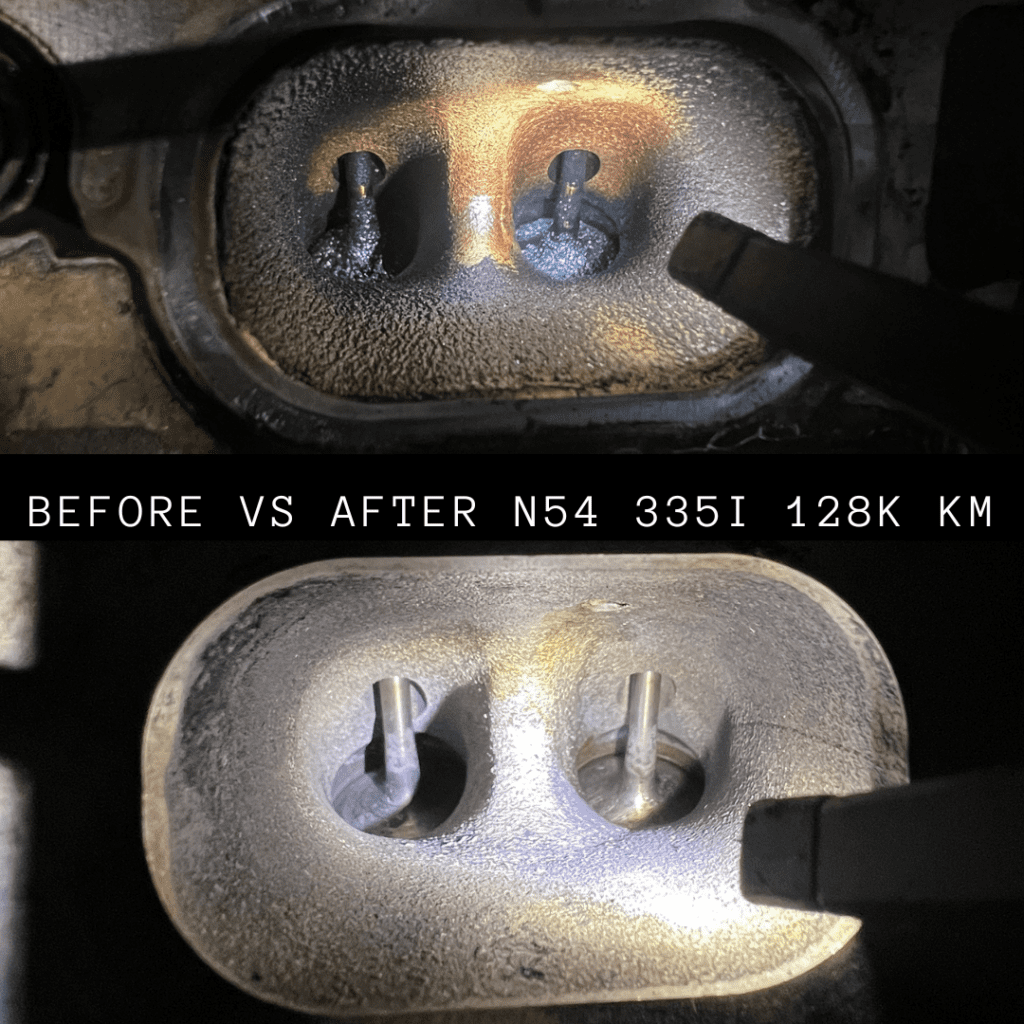
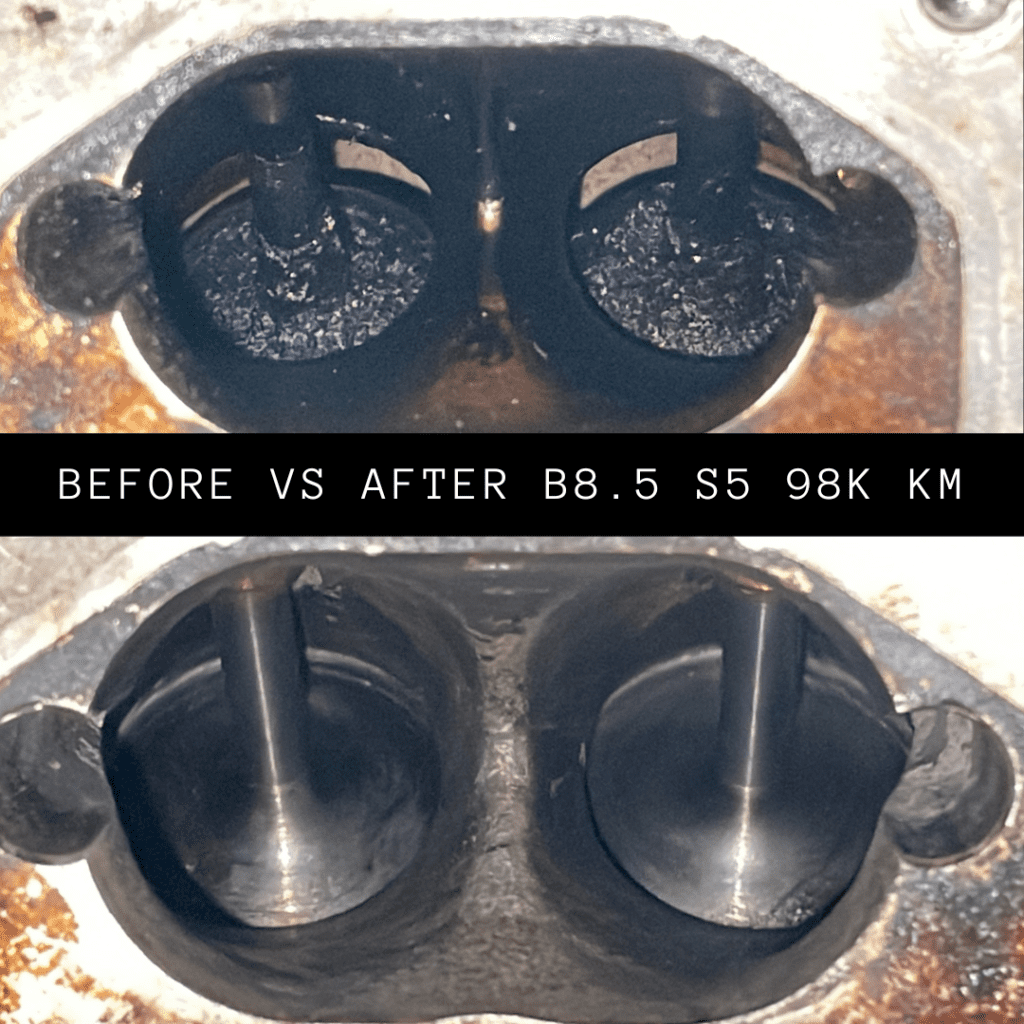
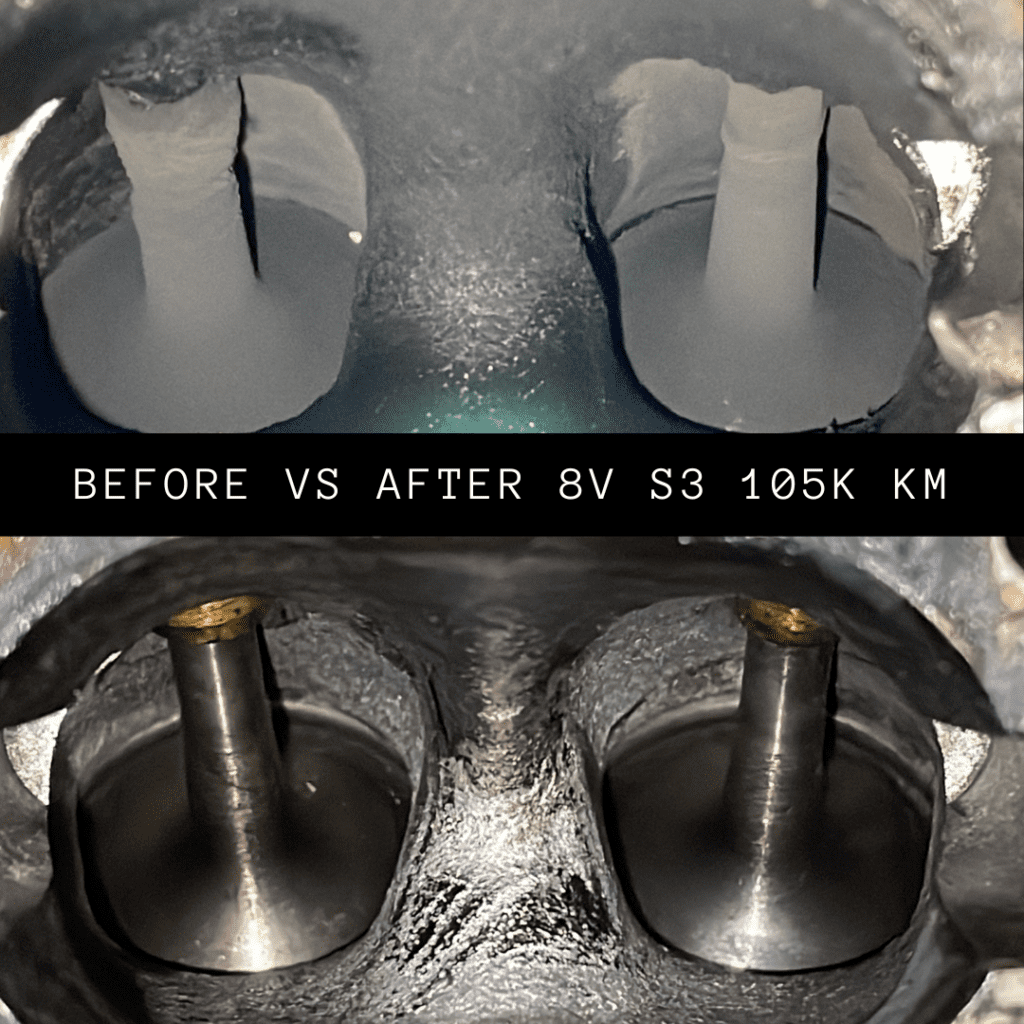
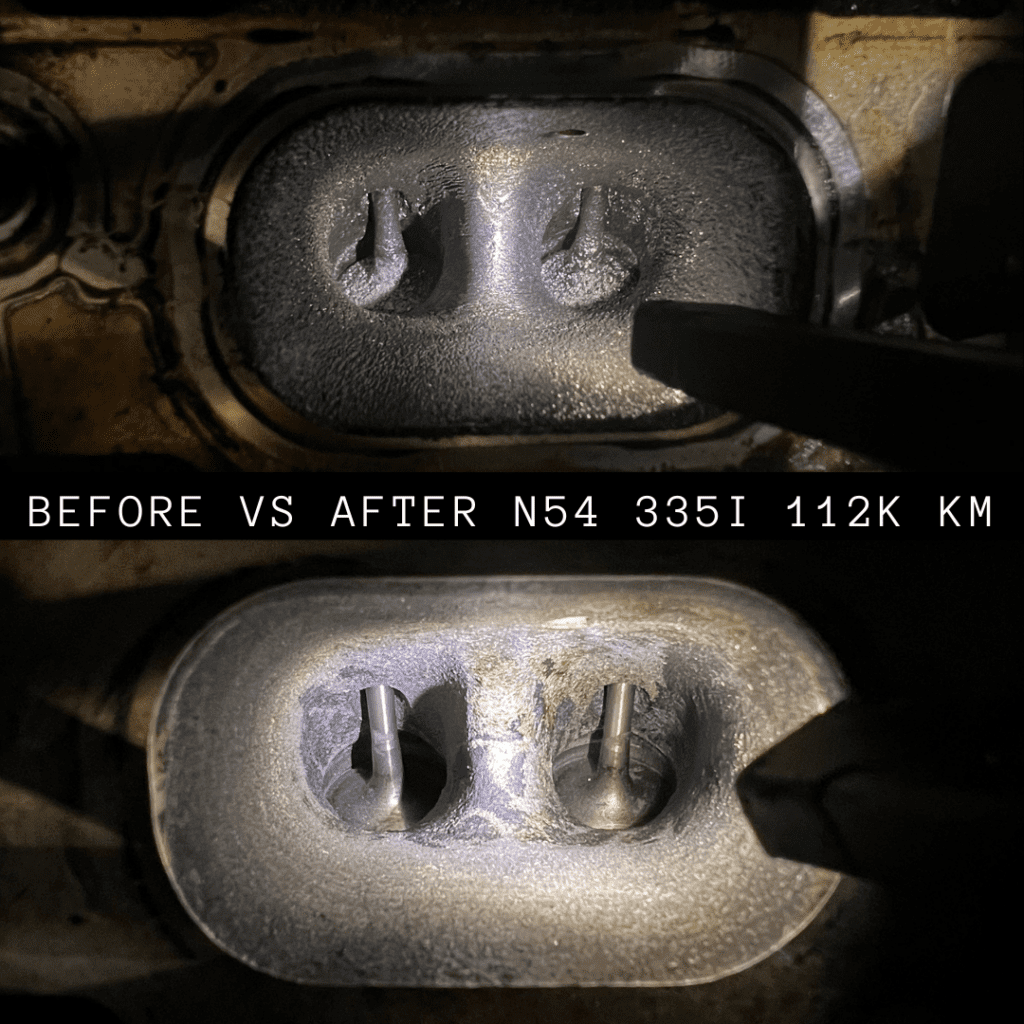
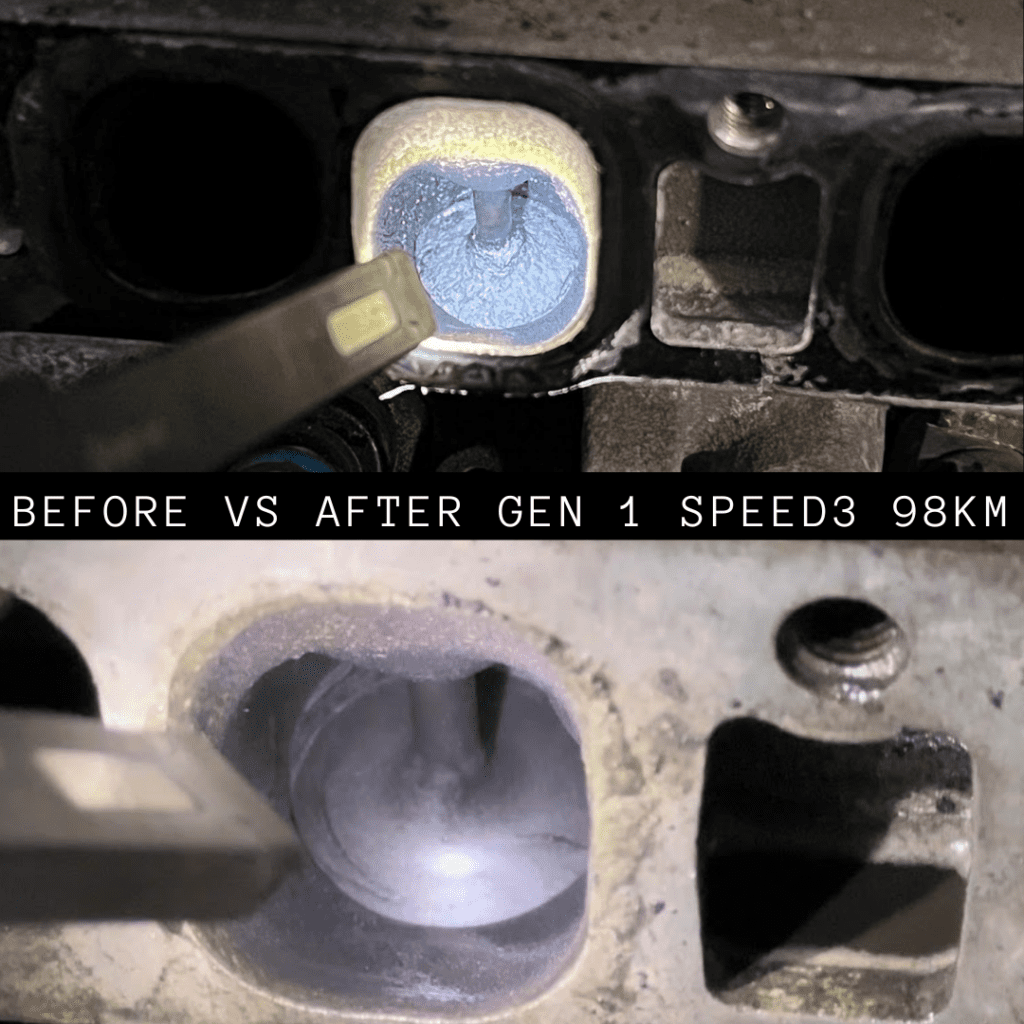
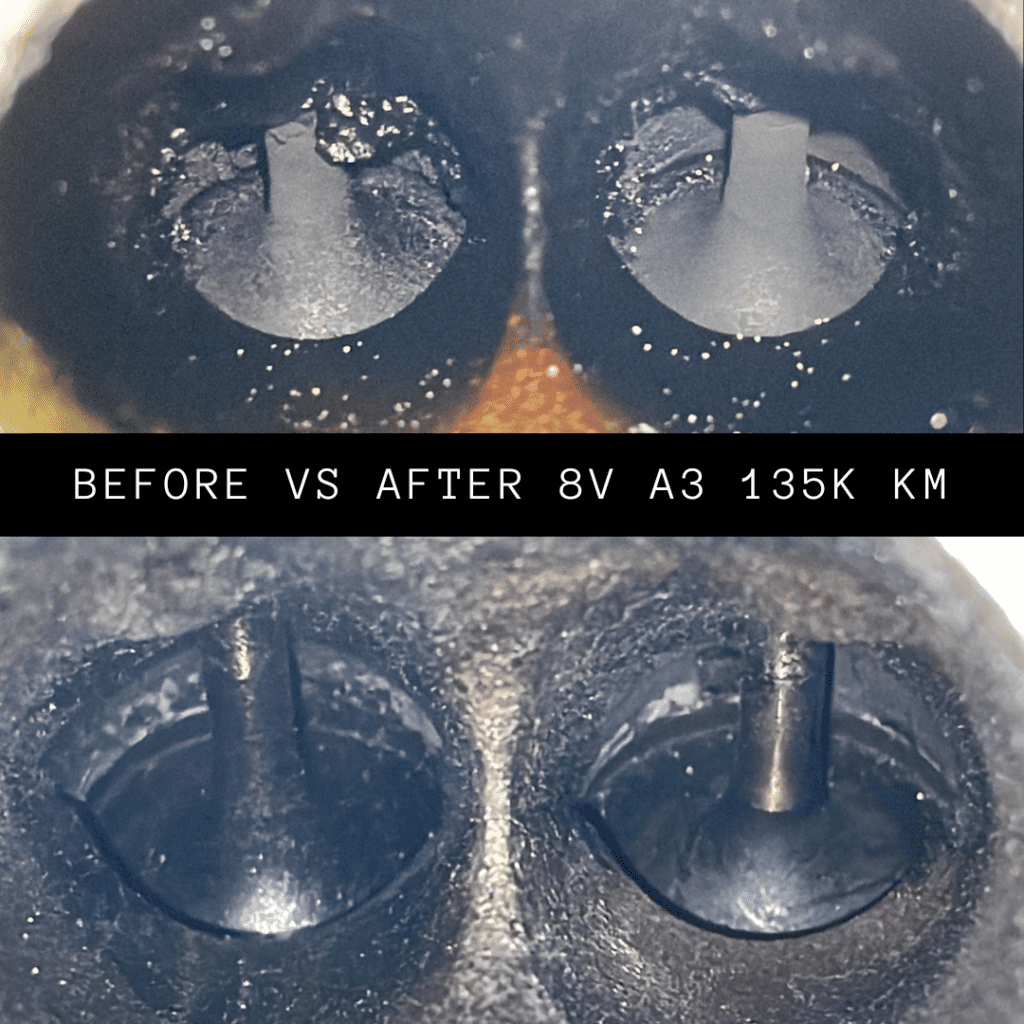
See what our customers have to say!
Why Get Your BMW Valves Cleaned?
Every direct-injection BMW petrol engine, including the N54, N55, N20 and N26, sprays fuel straight into the cylinder. The intake valves are never washed by fuel, so oil vapour from the crankcase ventilation system bakes onto them as carbon. Over time the deposits restrict airflow and disturb how the air enters the cylinder.
Signs Your BMW Needs a Cleaning
A rough or shaky idle, especially on a cold start
Misfire codes or a flashing check-engine light
Hesitation and lost power, most noticeable on turbocharged N54 and N55 engines
Rising fuel use with no other explanation
How We Clean BMW Valves
We remove the intake manifold, turn the engine so each cylinder’s valves are closed, and blast the ports with crushed walnut shell, which removes carbon without harming the metal. The debris is vacuumed out, every port is inspected, and the intake goes back together with new gaskets where needed.
How Often
BMW does not list carbon cleaning in its maintenance schedule. It is commonly done somewhere around every 80,000 to 100,000 km, sooner on tuned cars or when the symptoms above appear. It pairs well with spark plugs and ignition coils, since the engine is already partly apart.
More on the process on our main walnut blasting page, or see BMW repair and maintenance.